 The wool is sheared off generally in the spring season before the sheep have lambs.
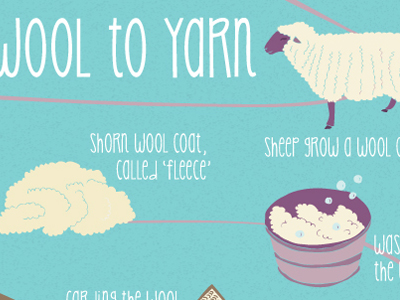 When their woolly coats get sufficiently long, the sheep are shorn - and have their wool shaved off.
Well, the sheep has that same issue, so that has to be removed, and there’s a high production washing process by a wool scour. Other options include bringing the sheep from a number of smaller farms to a central location to be sheared. Sheep is blessed with an extraordinary trait of yielding blankets of wool over its body. The process usually takes place twice a year-in spring and autumn. To be made into fabric, wool undergoes several processes. In addition to producing yarn for clothes, shearing is also necessary for the health and well-being of the sheep. England discouraged a wool industry in the American colonies, eventually making it illegal to raise and trade wool there. Woollen yarn is used to make thick, heavyweight woven or knitted garments. When their woolly coats get sufficiently long, the sheep are shorn - and have their wool shaved off. Shearing: Sheep shearing is the process by which the woolen fleece of a sheep is cut off. Occasionally, the skin of a slaughtered sheep was utilized for its wool; but the product obtained, which was called "pulled" wool, was an inferior grade to that shorn from live sheep. Some sheep shed their wool making the whole process of … Here a hired shearing crew can … Shearing is done with a manual […] (ii) Scouring: The sheared skin with hair is washed in tanks to remove grease, dust and dirt.This process is called scouring. Sheep are usually shorn annually in the spring/summer months. Shearing; This is the first step of processing fiber into wool. Sheep are usually shorn annually in the spring/summer months. These are referred to as "tags" (as in the phrase "tag end"). Some sheep shed their wool making … Sheep shearing is very necessary for the health and happiness of your sheep. Shearing is the act of harvesting wool fleece from a sheep. Making your own wool is not only satisfying now, but it will be a valuable skill that you can use to make clothing for your family or for trade if SHTF. From Sheep to Wool – Step by Step Process for Wool Production The different processes involved in wool production are shearing, scouring, grading, dyeing, and drying. The quality of wool you start the process with greatly effects the yarn you will have at the end. Shearing is necessary for the health and happiness of your sheep, and even though it's a dirty, sweaty, tiring job, it is also extremely rewarding. The wool fiber is a hardened protein, and does not contain any sensory structures. How to Shear a Sheep. Shearing process is done in this way: A sheep is caught by the shearer.